

Not too long ago, workforce planning was a relatively predictable process. HR teams forecasted staffing needs, approved headcount, hired for vacant job titles, and filled organisational charts. It was linear, structured, and; for the most part; stable.
But the world of work has changed faster in the past 5 years than in the previous 20.
Hybrid workplaces, AI and automation, shifting employee expectations, talent shortages, and economic fluctuations have all forced organisations to rethink how they plan for talent. Today, the question executives are asking has dramatically shifted from:
“How many people do we need?” to “What skills will secure our organisation’s competitiveness?”
This isn’t just a trend. It’s a business reality.
Why Traditional Workforce Planning Is Falling Short
Job titles don’t tell the whole story anymore.
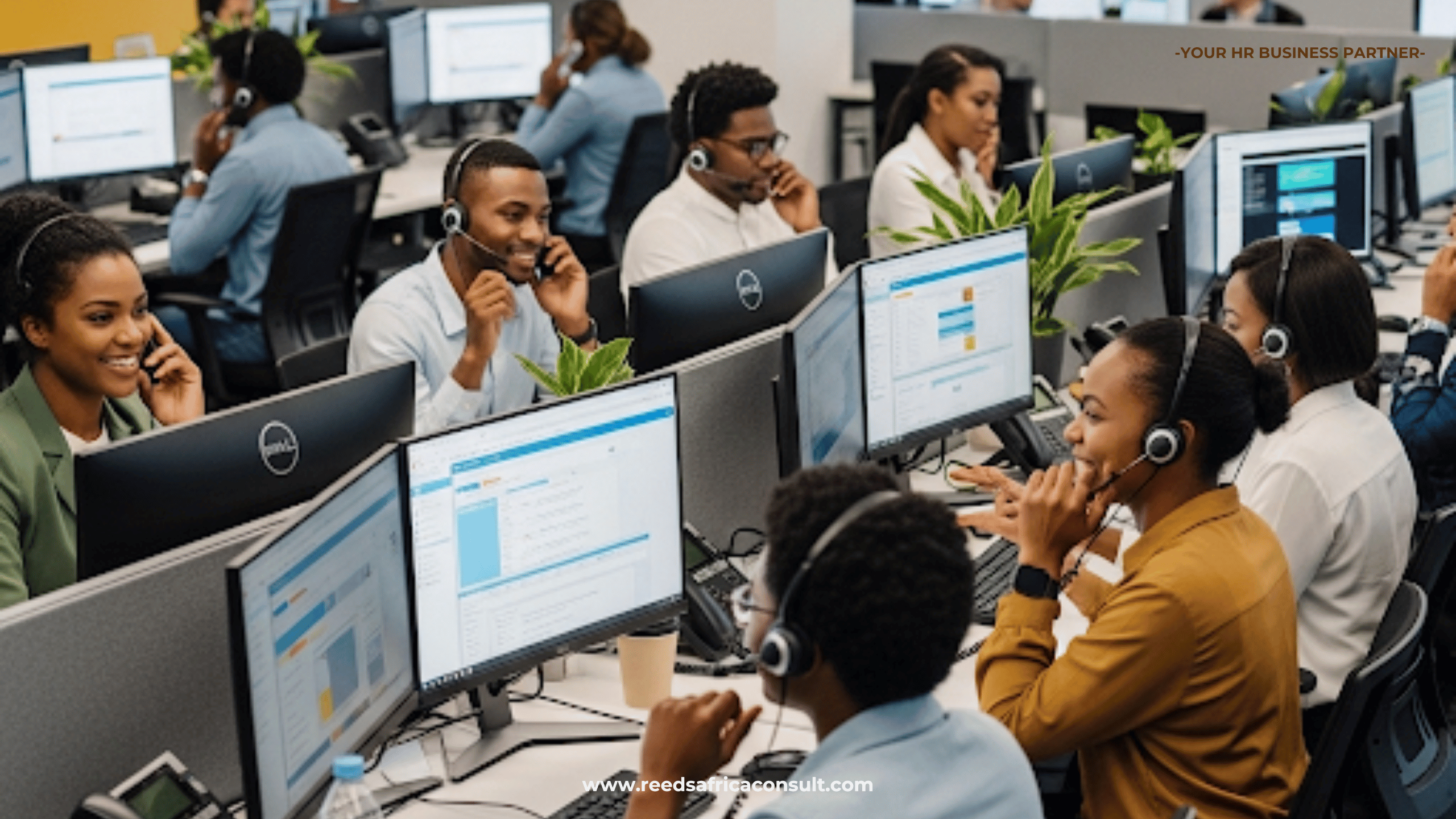
An organisation might have 50 people titled “Customer Service Representatives”, yet only a fraction might possess the skills needed for digital customer experience, CRM engagement, or conflict resolution.
Similarly, an IT department might appear well staffed, but lack capabilities in cloud security or data governance; skills now critical for business continuity.
The result? Organisations look fully staffed on paper, yet function with glaring capability gaps.
This is why many high-performing companies are shifting from role-based staffing to skills-based workforce planning.
What Skills-Based Workforce Planning Looks Like in Practice
A financial institution facing digital transformation may no longer define its needs as:
❌ “We need 20 new IT officers” Instead, the conversation becomes: ✔ “We need cybersecurity analysts, cloud migration experts, and trainers to upskill staff on digital tools.”
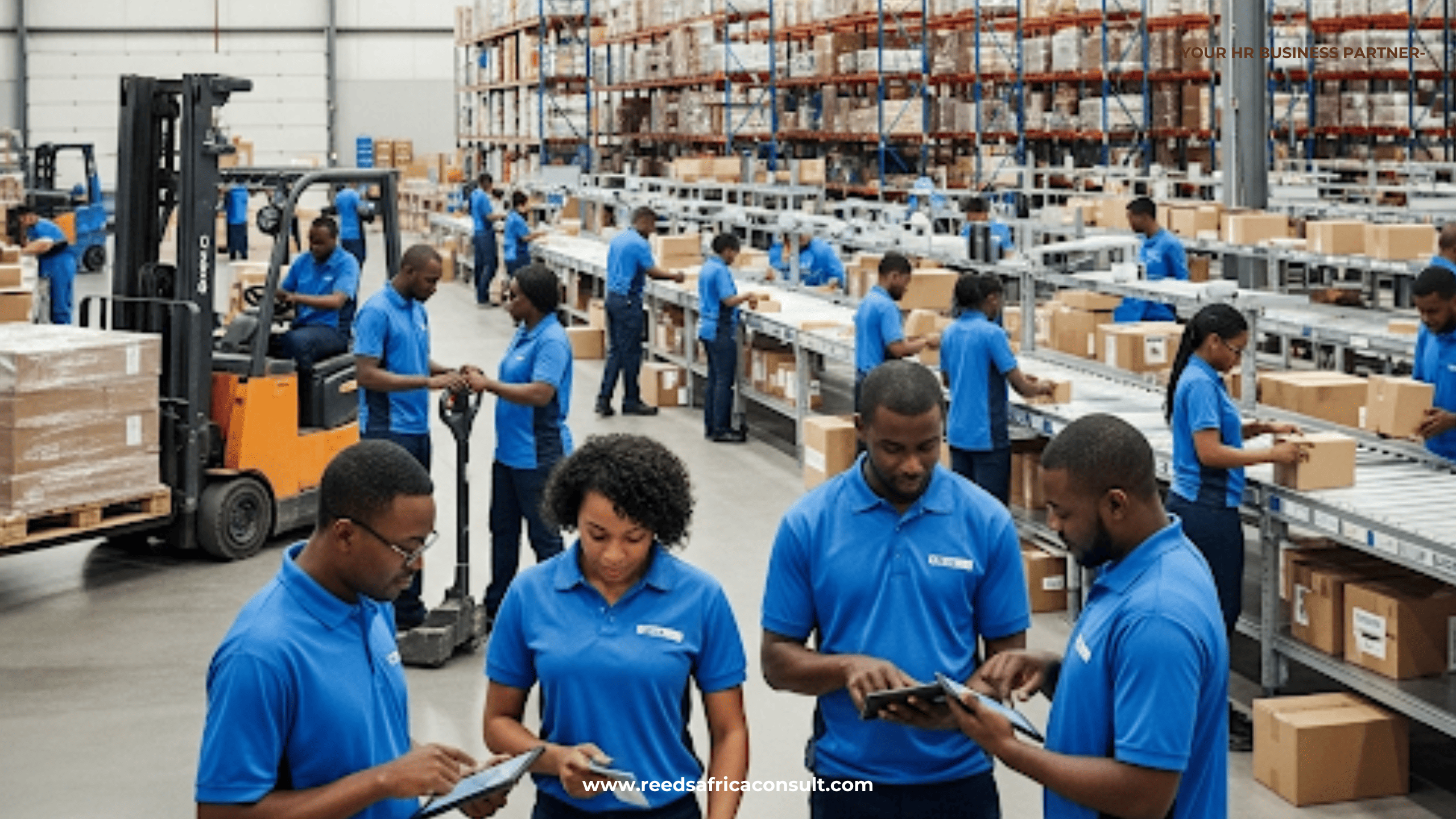
A manufacturing company preparing for automation no longer says: ❌ “We need more machine operators” Instead, it asks: ✔ “How do we build capabilities in robotics maintenance, data analytics, and innovation culture?”
This single shift; from titles to skills; improves productivity, performance, and retention.
The Human Advantage: Why Skills Matter More Than Technology
Technology is evolving. AI is revolutionising work.
But even the smartest machines cannot replace creativity, leadership, empathy, conflict resolution, cultural intelligence, or strategic thinking.
These are the capabilities that will differentiate organisations in the next decade.
The future workforce will not succeed because it is simply large; but because it is capable.
How Future-Ready Organisations Are Planning Talent
Forward-thinking organisations are already:
🔹 Mapping current skills vs. future business needs
🔹 Upskilling internal staff before recruiting externally
🔹 Building internal talent mobility instead of siloed departments
🔹 Blending full-time employees with outsourced specialists and consultants
🔹 Using HR analytics to make evidence-based decisions instead of guesses
This evolution demands collaboration between leadership and HR, strategic workforce conversations, and long-term planning rather than reactive hiring.
What This Means for HR Leaders
HR is no longer simply an administrative function.
In the future of work, HR becomes a strategic command centre; a key driver of organisational growth, productivity, and resilience.
This means the workforce planning approach must shift from:
🟥 filling positions → 🟩 future-proofing capabilities
🟥 replacing employees → 🟩 developing and retaining talent
🟥 reacting to business changes → 🟩 planning for them years ahead
How Workforce Strategy Directly Impacts Business Growth
Organisations that realign their workforce strategy around skills will experience:
📌 reduced recruitment costs
📌 lower turnover and burnout
📌 shorter onboarding periods
📌 higher productivity and innovation
📌 increased adaptability during economic uncertainty
On the other hand, companies that delay this transition will continue to experience: chronic talent shortages, high hiring costs, disengagement and brain drain and limited ability to scale or transform
It’s not just HR evolution; it’s business survival.
Where Reeds Africa Consult Comes In
Shifting to a capabilities-based workforce doesn’t happen overnight.
It requires:
🔸 deep organisational understanding
🔸 accurate workforce and skills analytics
🔸 redesigned workforce structures
🔸 training and development strategy
🔸 performance systems aligned to growth and competencies
This is the work we specialise in.
At Reeds Africa Consult, we support organisations in building future-ready workforces, through:
✔ Strategic workforce planning
✔ Learning & development programs
✔ Recruitment and executive search
✔ Outsourced labour and flexible staffing models
✔ Performance management systems
✔ HR digitalisation and talent analytics
The future of work is not waiting for organisations to catch up. Businesses that evolve today will become tomorrow’s industry leaders.
The question is no longer “Do we have enough people to execute the strategy?”
The question is; “Do we have; or are we developing; the skills that will keep us competitive?”
If the answer is not a confident yes, then now is the time to rethink your workforce planning approach.
To discuss how we can help your organisation embrace skills-based workforce planning, get in touch with Reeds Africa Consult. Your future agility, growth, and talent resilience start with the decisions you make today